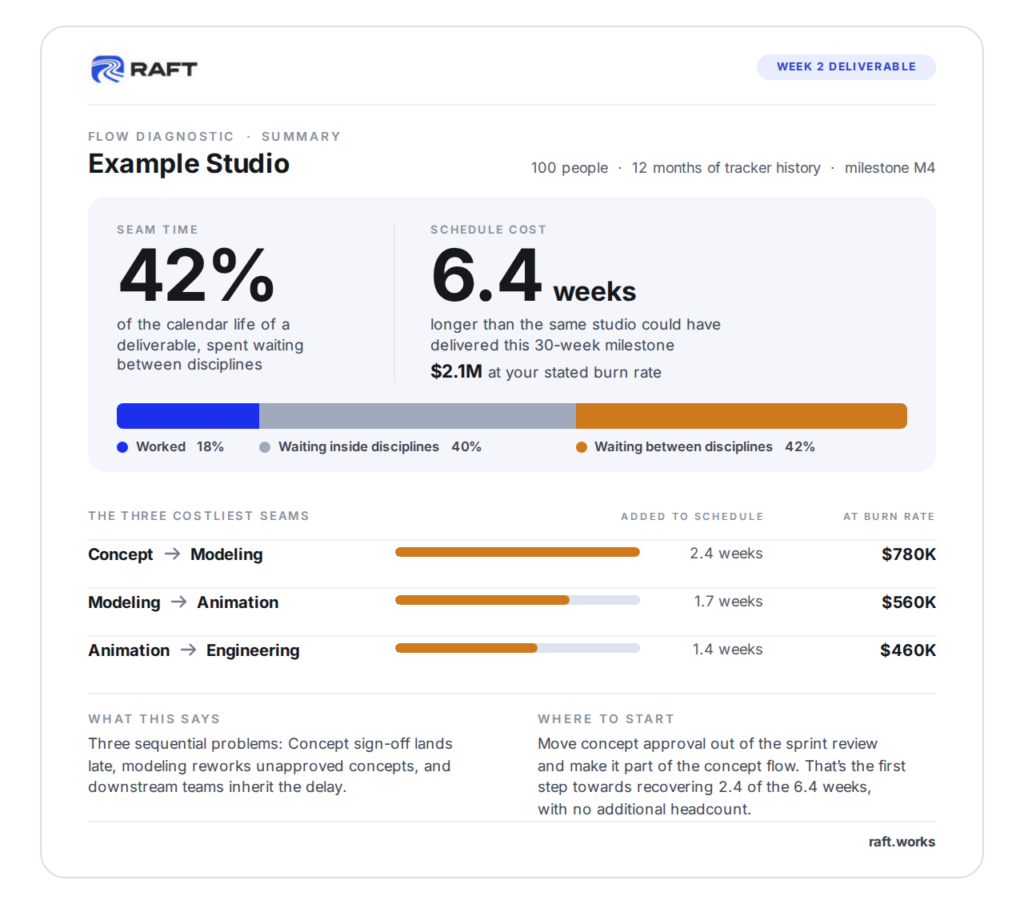


It’s the weeks your features and assets spend waiting in the seams between disciplines, which your tools were never built to record. In two weeks, I’ll tell you how many weeks you’re losing and what it costs at your burn rate.
Crunch is what a studio does when it finds out too late.
Every discipline has its own board, and every discipline is busy. Nobody is idle; every burndown looks good, and the milestone still slips.
A finished asset sits eleven days before engineering picks it up. Your tools log work, but a wait leaves nothing to log. It costs real money but doesn’t show up anywhere.
Five disciplines can each run at healthy flow efficiency, and the game still ships late because the weeks pile up in the handoffs between them.
Waiting not only costs days but also delays the moment anyone discovers a direction was wrong. By then, months of work are sitting on top of it. Correcting in week two is cheap, but correcting at alpha is not.
RAFT is the method. The Flow Diagnostic is the measurement that tells you whether you need it. You can buy the number without ever adopting the method.
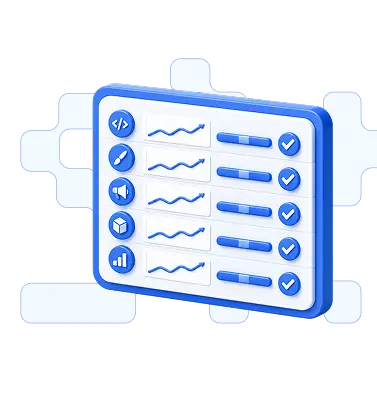
See exactly where every team stands on shared work, not through status meetings but through real-time work state visibility.
Works with Jira, Trello, Favro, Asana, or sticky notes on a wall. RAFT enhances the tools you already use.
Step 1: Connect the Work
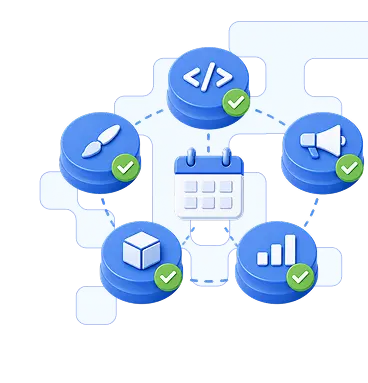
Identify what you’re delivering together, what each team contributes, and when each team should begin relative to the others. One deliverable, multiple teams, complete visibility.
Step 2: Progress Triggers Action
Step 3: Work When Ready
Teams work simultaneously on the same outcome, pulling work when they’re ready. No waiting for handoffs, just visible progress, unified momentum, and naturally faster delivery.
Multiple disciplines working the same content against a fixed ship date. Most useful when someone senior already suspects the schedule is leaking and cannot prove where.
Teams under twenty people, because there are no significant seams to measure. Outsourcing shops, because their waiting is billable.
Start with the Flow Diagnostic: in two weeks, you’ll know where the waiting is and have a 90-day plan, written with your production leads, that your team can run on its own. Want the worst seams closed? That’s the Flow Sprint. Unsure where you fit? Book a call.

An export from the planning tools you already use, or read-only access if that’s easier. At the end you know what percentage of your calendar is spent waiting between teams, what it costs at your burn rate, and which three seams are worst. Your production leads see the findings first.
Once you know where the schedule is leaking capacity, this is the engagement that closes the worst seams.

A short course in multi-team relative autonomous flow delivery for the rest of the studio.

RAFT is a technique. It’s here to give you what traditional frameworks promised: momentum, alignment, and speed without the weight.
About once a month, on everything game production, mostly on improving overall flow. The unsubscribe link works, too.
Ask any questions. jon@raft.works
No. The diagnostic reads what is already in your tools and reports what is true regardless of how you run. RAFT is a technique you can layer on afterward if the findings suggest it.
No. If you never use RAFT, the number is still the number.
Your production leads. They review every finding before the leadership readout, correct anything I’ve misread about how your tools are used, and write the 90-day plan with me. Producers usually already have a good idea where the work waits. What they rarely have are specifics and a number leadership will act on. This gives them both.
An export of your tracker history, which your team can review before sending it, or read-only access if you prefer. Nothing else. No build access, no repo access, no telemetry, and no changes to how your teams work.
Software does the measurement. The analysis and the readout are mine. I am not going to hand you a model’s opinion about your studio.
No. Everything runs from your tracker history and a few video calls, including a review with your production leads before the readout. If you want the readout delivered in person, I will fly to you.
Usually it’s the opposite. While cuts are still happening, I’d wait. Findings get read as ammunition, and nothing gets fixed. But six to twelve months out is often the best moment to do this: the seams a reorg opened up are still visible, the team can feel them daily, and leadership has the mandate to close them. If you’re not sure where you sit, the 30-minute call is the cheapest way to find out.
No deck, no pitch. Only a few questions, and I’ll tell you in thirty minutes whether there is a real number in your studio.